



Reducing screen time
Ardibook's interactive learning sets help families cut screen dependency and bring kids back to real play, storytelling, and joyful learning.
- screen-free learning
- creative thinking
- Armenian language development
- more physical activity
It's time to rethink the role of screens
On average, 63% of Armenian parents hand over a phone as a "babysitter" when kids get bored or while sitting in traffic. Yet the lack of movement and hands-on play can trigger attention issues, sleep problems, and delayed speech—especially under age eight.
The conclusion is simple: a screen can’t replace living interaction, storytelling, and discovery. That's why Ardibook creates tactile learning tools that fuse sound, motion, and play mechanics.
The Ardibook magic: learning through play
Talking books, smart maps, and activity cards from Ardibook engage every sense. Kids tap, listen, respond, and repeat—transforming learning into an adventure.
- flexible thinking and memory through hands-on challenges
- speech confidence with built-in pronunciation guides
- self-directed learning thanks to natural game mechanics
No apps. No passwords. No overwhelming graphics—just a book, a smart pen, and a curious child.
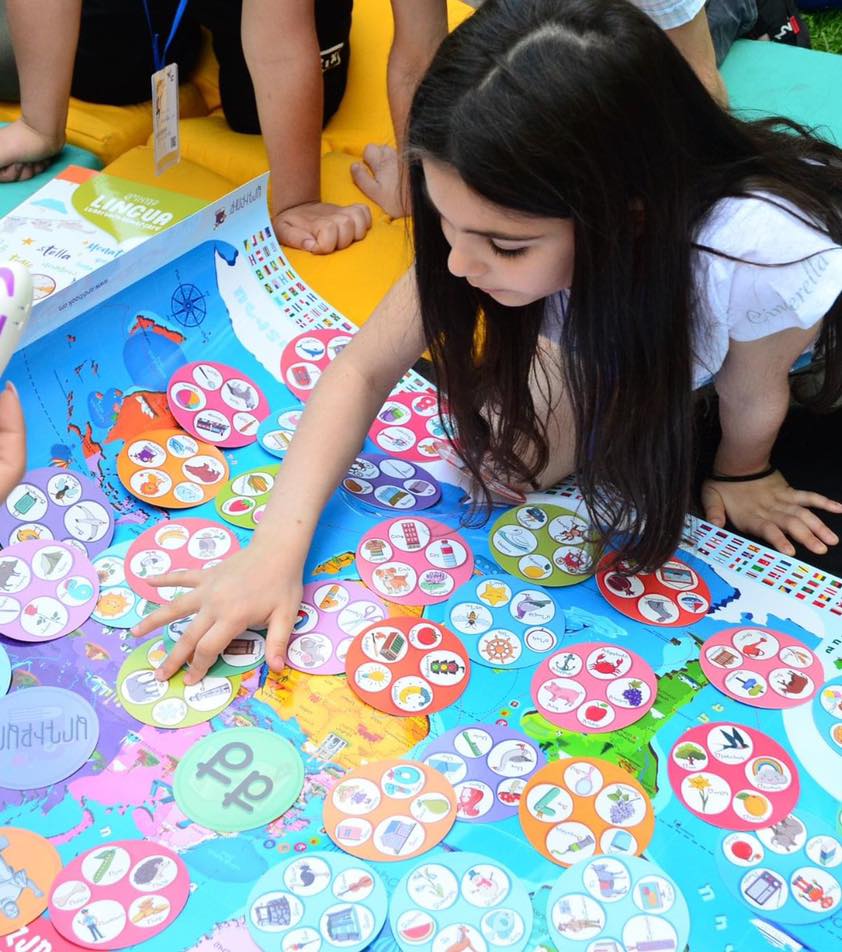
Engaged kids learn more deeply
Sensory devices activate visual, auditory, and kinesthetic memory at once. When a child turns pages or hunts for the right sound on a map, multiple brain centers work in sync, so knowledge becomes a lasting skill.
This process supports:
- longer attention spans
- stronger memory recall
- confidence to invent original stories
“Ardibook became the favorite game in our home. The screens stay off, yet the kids keep learning and even create stories together.” — Lilit, mom of two in Ararat
Trusted by parents
Families tell us Ardibook brings calm back into the home. Children play without screens—solo or with siblings—while parents see their time being used in a safe, developmental way.
Want a step-by-step approach for lowering screen time? Read our Parent Guide packed with daily routines and play scenarios.
Let's redefine "play"
Screens are here to stay, but we can design balanced routines. Ardibook's interactive collections offer tactile learning, independent play, and multilingual discovery—without connection issues or eye strain.
Start today with our most-loved learning tools:
Frequently asked questions
How much screen time is safe for kids ages 3–7?
Experts recommend up to 60 minutes of quality content per day with a parent present. The rest of the day should focus on movement, reading, and social play.
How do we transition from screens to tactile play?
Introduce consistent “screen-free” blocks, create storytelling or language quests with Ardibook’s tactile maps, and invite your child to retell what they heard to activate speech.
Should technology be removed completely?
Balance matters. Technology can be educational, but it shouldn’t replace real interaction, movement, or creativity. Ardibook fills that gap.
